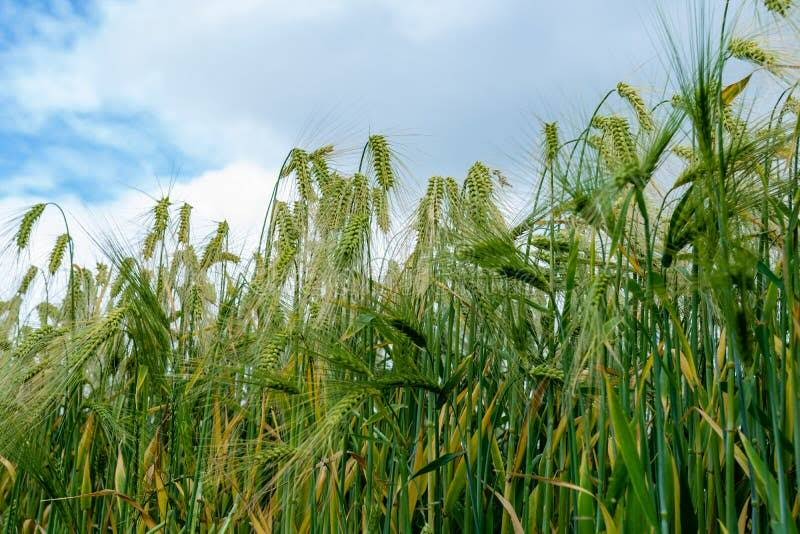
Horse care starts with what's in the bag or the bale, and forage is where most of it comes from. So here's the short answer: alfalfa carries more protein and more of the key amino acids — especially lysine and methionine — than grass hay does. If your horse lives mostly on grass hay, the odds are good that those two amino acids are running short, which is exactly the gap a daily amino acid supplement is meant to fill.
Why does alfalfa beat grass hay on amino acids?
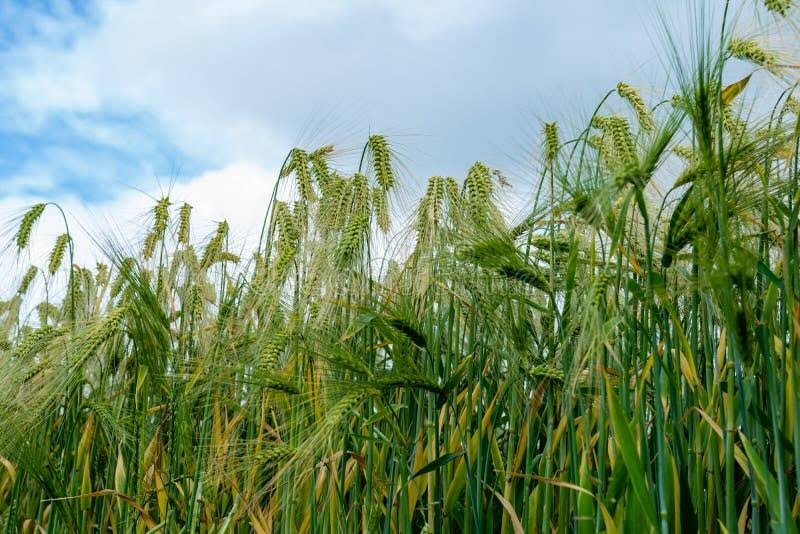
Alfalfa is a legume, and legumes just build more protein than grasses do. A typical alfalfa might test around 17 to 20 percent crude protein, while grass hays like brome, orchard, or timothy often land closer to 8 to 12 percent. But the bigger story isn't the total protein number — it's the quality of that protein, meaning how much lysine and methionine it actually delivers.
Lysine is the first limiting amino acid for horses, which means when it runs out, your horse can't fully use the rest of the protein no matter how much you feed. Alfalfa supplies noticeably more lysine per pound than grass hay. Methionine, the amino acid tied so closely to hoof and coat quality, is also thin in most grasses. So a horse on all grass hay can be eating plenty of crude protein on paper and still fall short where it counts. We dug into that gap between the number on the tag and the real quality in our piece on amino acid supplement versus ration balancer.
What if my horse is on mostly grass hay?
That's most horses across the country, and there's nothing wrong with it. Grass hay is easy on easy keepers, gentler on metabolic horses, and often cheaper and easier to source. The trick is knowing that a good grass hay diet feeds the belly well but can leave the amino acid tank low.
The clean fix isn't to dump alfalfa on top — that adds calories and protein you may not want, and it can throw off calcium and phosphorus balance. Instead, you target just the amino acids that are short. A concentrated amino acid pellet gives your horse the lysine, methionine, and threonine that grass hay skips, without the extra pounds. You can see exactly what goes into ours over in the shop, and it's built to slot right into a grass hay program.
**Do I need to soak or mix Amino Boost with anything?** No. It's a small pelleted serving you top-dress on the feed your horse already gets. No soaking, no measuring cups of warm water, no fuss. Most horses eat it right along with their grain or a handful of chopped forage.
What are the signs of amino acid deficiency in a horse?
You'll usually notice it on the outside first — the parts amino acids help build. A dull, flat coat that shampoo and elbow grease won't fix. Hooves that grow slow, chip, or crack. A topline that's soft and sunken even though the horse is getting fed. Slow recovery after work, a picky appetite, or a rescue horse that gains weight but never quite fills out.
None of those is proof on its own, and plenty have other causes, so it's worth a hay analysis if you want to be sure. But if two or three of them line up on a grass hay horse, amino acids are a smart place to look. We wrote more about the coat side of it in the dull coat that shampoo won't fix, and you're always welcome to reach out with questions about your own horse.