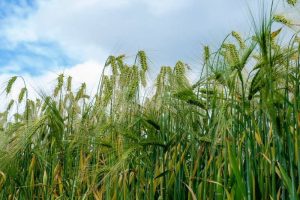
Does good hay provide enough amino acids for horses?
I hear this one a lot, and it's a fair question. You've got nice green hay, your horse looks decent, so why fuss over anything else? Here's the short version, and then I'll walk you through the why.
Does good hay provide enough amino acids for horses?
Usually no — even good hay tends to fall short on the amino acids that matter most. Hay can give your horse plenty of crude protein on paper, but crude protein is just a measure of total nitrogen. It doesn't tell you whether the *right* building blocks are in there. Horses need specific amino acids to build muscle, hoof, and coat, and most grass hay is low in the two that limit everything else: lysine and methionine.
Think of it like building a barn. You might have plenty of lumber, but if you're short on nails, you can only build so much before you're stuck. Lysine and methionine are the nails.
Why does hay come up short?
A few reasons. Grass hay — timothy, brome, orchard, prairie — is generally lower in lysine than alfalfa. Alfalfa does better on amino acids, but a lot of folks feed grass hay for good reasons, especially with easy keepers. Cutting, weather, and storage all shave off nutritional quality too. So even a beautiful bale can leave gaps.
The tricky part is your horse can look "fine" while still running short. A poor topline, a dull coat, or slow-growing, cracked hooves are often the first quiet signs that the feeding program isn't delivering enough quality protein.
Which amino acids are most important for hoof and coat health?
For hooves and coat, methionine leads the way. It's a sulfur-containing amino acid, and sulfur is a big part of keratin — the stuff hooves and hair are made of. Lysine matters too, since it's the first limiting amino acid, meaning if it's short, your horse can't fully use the rest. Threonine plays a supporting role in gut health and protein use.
That's the whole point behind Equine Amino Boost. It's a daily pellet built around lysine, methionine, and threonine — the essential amino acids most feeding programs miss — so the protein your horse already eats can actually get put to work.
How much does this actually matter?
More than most people think. Amino acids are the foundation of equine nutrition and health. When they're short, you see it in the horse coats first, then topline, then hooves, then how a horse recovers from work. Fill the gap and those things tend to come back around, though hoof changes are slow — figure several months for new growth to reach the ground.
An equine nutrition supplement like ours isn't meant to replace your hay or your grain. It's meant to patch the specific hole that hay usually leaves. Feed your good hay, feed it consistently, and add the amino acids on top.
Where do we fit in?
We're HorsePower Aminos, veteran-owned and based right here in Spearfish, South Dakota. We make one thing and we make it well: Equine Amino Boost, a daily amino acid pellet. We ship nationwide, whether you've got one backyard horse or a full barn.
If your hay's good but your horse's coat, topline, or hooves aren't keeping up, amino acids are usually the missing piece. Get a hay analysis if you want the full picture — it's the best way to see your gaps — and reach out anytime with questions. We're happy to talk feed, no pressure.
Good hay is a great start. It's just rarely the whole story.
— Admin